Agroecology Lab Online are resources available to community partners receiving group instruction through UF/IFAS Extension Online. Reach out with interest to develop a program. Here is a recent example program: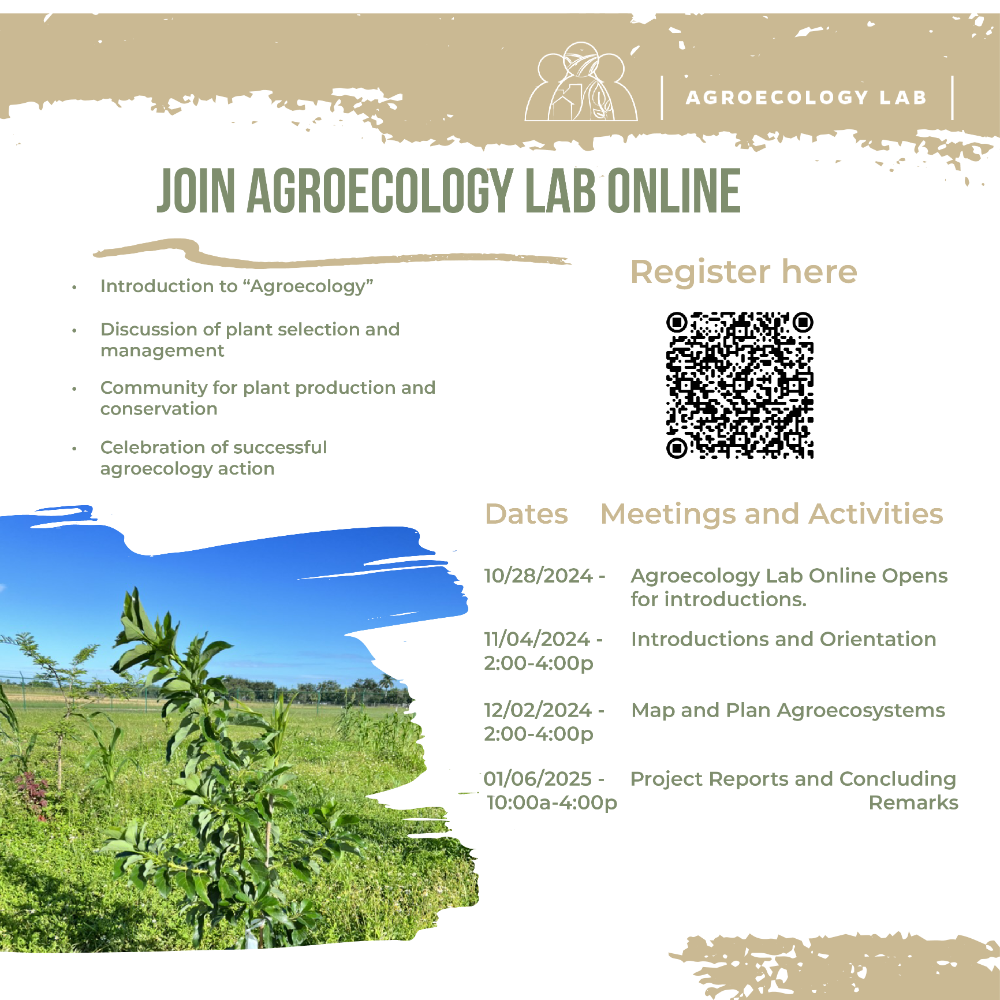
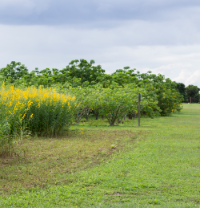
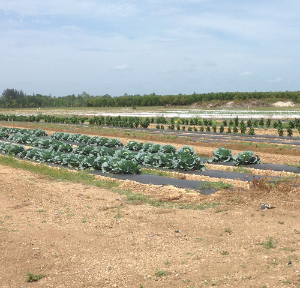
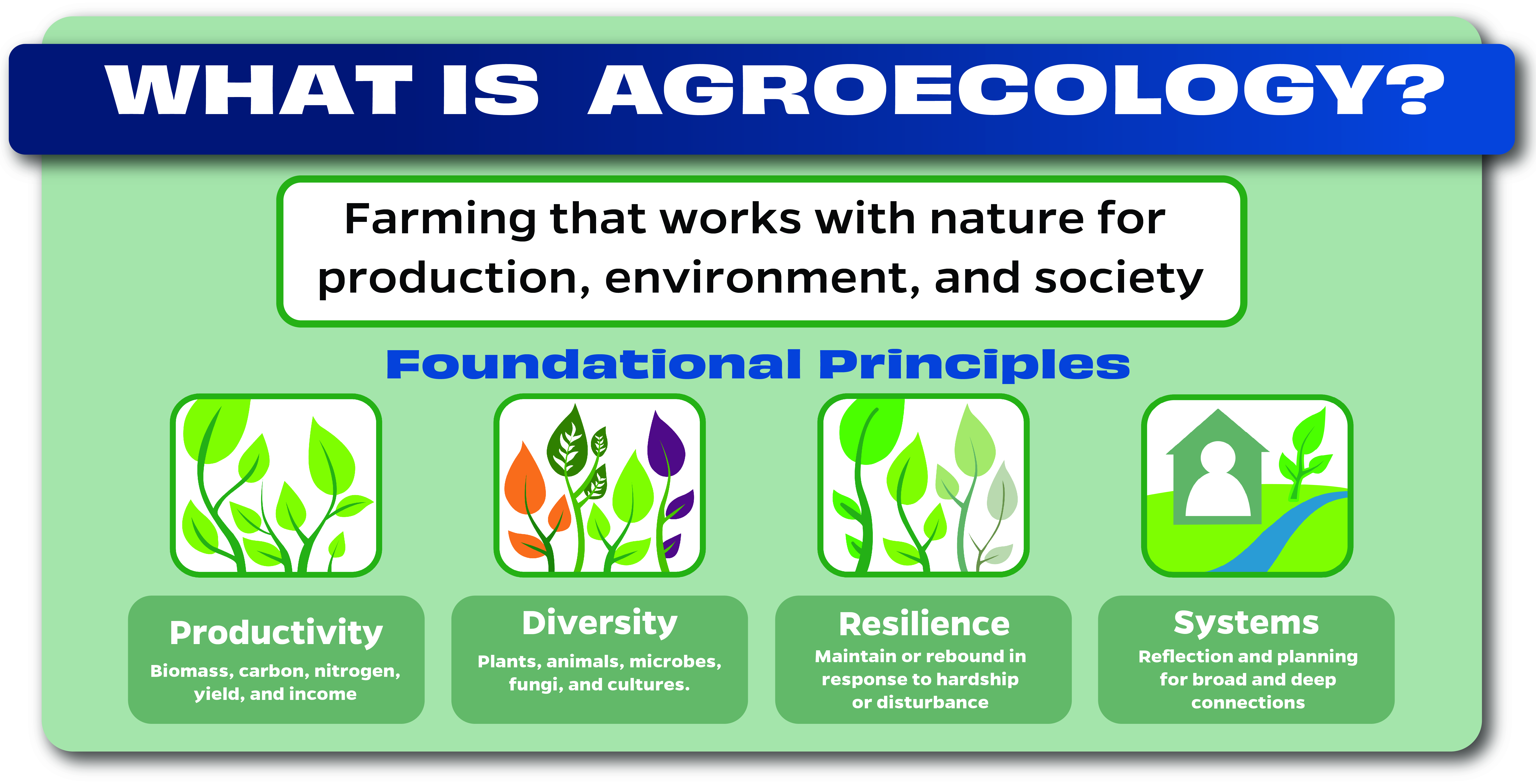
Agroecosystems are lands and biological systems managed for production within the essential context of the neighboring and connected systems. Production can be defined broadly for mass or currency. Practically, plants are produced for food, fuel, fiber, or medicines. Plants can also be considered for their value in price, carbon, or beauty. Broader context for agroecosystems also includes the interconnected components of agriculture and nature. Sustainability in agriculture requires an understanding of the regional connectedness of farms and their surrounding areas. Each farm is also affected by a unique context of surrounding by natural, agricultural, and urban areas. We study agroecosystems to understand the environmental and external pressures affecting plant growth and production. We develop research infrastructure and educational materials around plant selection and management in agroecosystems. We plant a lot of “cover crops,” especially in mixtures, to develop productivity and then to evaluate crop physiology, weed suppression, and soil health. Extra special interest for practical plant diversity through crop mixtures, groundcovers, and horticulture.
-250x250.jpg)
Hemp has been identified as a potentially valuable and impactful alternative crop for Florida. We have developed several cropping systems available to the hemp industry for production of flower, seed, and fiber. Our research focus includes climate-smart management practices, nutrient management recommendations, and the assessment of hemp invasion risk.
.
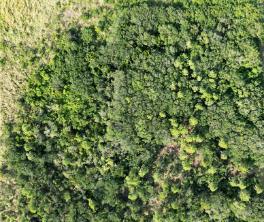
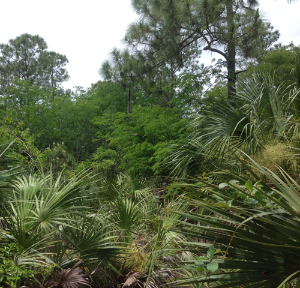
The UF/IFAS Tropical Research and Education Center (TREC), Homestead, FL, covers 160 acres (0.25 mi2) on rocky, high pH, non-flooded soils that include natural, agricultural, and urban use. Natural areas at TREC include hardwood hammocks (5 ac) and pine rockland (3 ac). More than 280 native plant species have been documented at TREC, including 34 rare native plant species. Five of these are considered endemic. Our work documents the local plant diversity, develops outreach programs for public education, sells and exchanges plant seeds, and manages our rockland habitats for conservation of native plants.
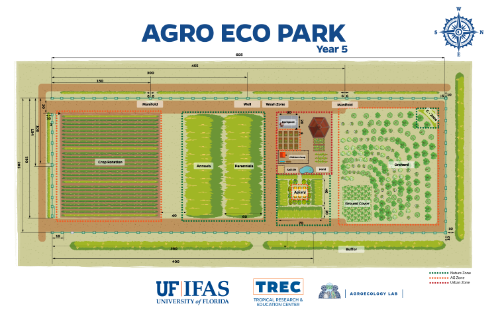
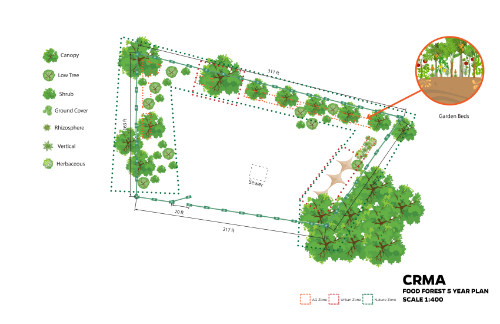
Agroecosystems are described by the interacting features of environmental and ecological characteristics of a farm and the surrounding area. Agroecosystems are complex to manage within the trade-offs of competing outcomes. The agroecology framework aims to help improve management of natural resources and ecosystem services in agroecosystems. “The Agroecosystem Concept” Extension module is a set of trainings aimed at land managers and their local county agriculture and natural resources agents to map and plan agroecosystems for production, biodiversity, and resilience. Participants develop plant selection and management strategies within set space and time boundaries and aligned with the sustainability goals of agroecology.
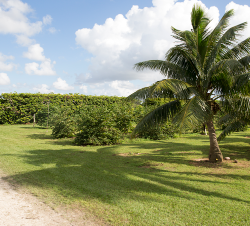
The Agroecosystem Concept is actively deployed throung ongoing projects with the lab. For example, here are three unique agroecosystems (demonstration farm, school garden, restoration area) that were mapped and tracked to demonstrate unifying features of agroecology. We aim to describe the status of the agroecosystem health and sustainability for these areas. Core indicators related to management practices were established according to production, conservation, and community contexts of sustainable agroecology. At a foundational level, the goal is to increase plant diversity over time with increased productivity in ag zones, increased conservation in nature zones, and increased community engagement in the urban zones.


Article by: Ed Geis, PhD, Guest Author Correspondence to: Bald Mountain...
David Raab, Roseville Farms, UF/IFAS Hemp Pilot Project...
Jeff Thomas, Tater Farms, Ancient City Hemp, UF/IFAS Hemp Pilot Project Partner...

An Overview of Herbs What is an Herb? An herb, botanically, is a...

It's always tough to say goodbye to a great colleague, and today, We want to...

I started my journey as a farmer four years ago without experience (I have a...

Dr. Zachary Brym
Agronomy Department
786.217.9238
brymz@ufl.edu | Blg 8235, Rm 1-4
I investigate the intersection and interaction between agricultural and natural systems from the perspective of plant physiology and community ecology. I opened the TREC Agroecology Lab in January of 2017 after receiving my Ph.D. from Utah State University and MS from the University of Michigan.
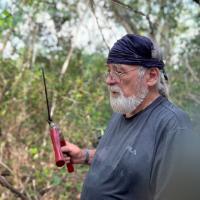
Dr. Cliff Martin
Agronomy Department
Research Associate
cgm@ufl.edu
I am a research associate in the TREC Agroecology Lab. My work primarily focuses on identifying the diversity of plant species at the research station. My main areas of expertise include botany, entomology, and scientific writing. I earned my Ph.D. at TREC in 2009, specializing in ornamental plant and vegetable entomology.
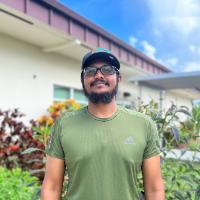
Ajit Williams
Agronomy Department
Ph.D. Student (2024)
agatorwilliams@ufl.edu
I am a research assistant in the TREC Agroecology Lab focused on data analytics and interdisciplinary collaboration. I support the lab in research project operations, data management, and managing hemp germplasm collection. I graduated from the University of Florida in 2017 with a B.S. in Food and Resource Economics and received a M.S. in Agronomy with a concentration in Agroecology in fall of 2023. I have experience in sustainable farming, economics, and cannabis cultivation.

Tamara Serrano
Agronomy Department
Biological Scientist
t.serrano@ufl.edu
I lead and support the TREC Agroecology Lab’s daily operations, experiments, and outreach initiatives to promote sustainable farming practices that align with nature. I hold a B.S. in Horticultural Sciences with a minor in Soil Sciences (2020), a certificate in Horticultural Therapy (2021), and an M.Sc. in Agronomy with an Agroecology concentration (2023) from the University of Florida. My expertise includes plant nutrition, crop productivity, soil health, and agricultural management.
-200x200.JPG)
Muhammad Alamgeer
Agronomy Department
PhD Student
alamgeer.m@ufl.edu
I have been part of TREC Agroecology lab since the summer of 2024, first as a research scholar and now as a PhD student since Fall 2025. My research focuses on nutrient conservation management in diverse agroecosystems, with a special emphasis on industrial hemp nutrient management. In addition to my research project, I also participate in day-to-day lab activities, supporting ongoing research in agroecology, cropping systems, and greenhouse nursery management.
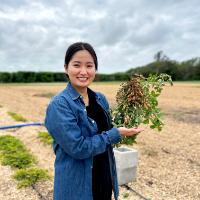
Da Young Kim
Agronomy Department
Ph. D student (2021)
dayoung.kim@ufl.edu
I joined the TREC Agroecology lab in the fall of 2021 as a Ph.D. student and am working on the Peanut Aflatoxin Project. I completed my master's degree in the Department of Environmental Horticulture at the University of Seoul in Korea, where I specialized in soil science. I am interested in understanding soil-plant-environment interactions to manage cropping systems better and ensure food and feed safety.
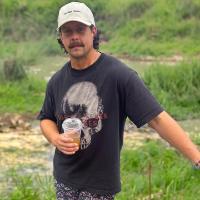
Bruno Pasquale Rozzi
Agronomy Department
Ph.D. Student (2023)
Brozzi@ufl.edu
I am a Midwest boy from Cincinnati, OH, with a bachelor’s in Biological Sciences from Arizona State University. After working as a research specialist for the USDA-ARS and the Pauli Lab at The University of Arizona, I joined the TREC Agroecology Lab to pursue a Ph.D. in Interdisciplinary Ecology with a concentration in Agronomy. I am a remote student based in St. Petersburg on the Gulf Coast. My research encompasses soil carbon sequestration and land restoration on clay settlement areas in the Central Florida Phosphate District. I am interested in developing regenerative cropping systems at scale under the lens of agroecology. I have a deep love for the natural world, and my interests include hiking/backpacking, rugby, tennis, music, film, holistic health, and spending as much time as possible at the beach.